
 Popular
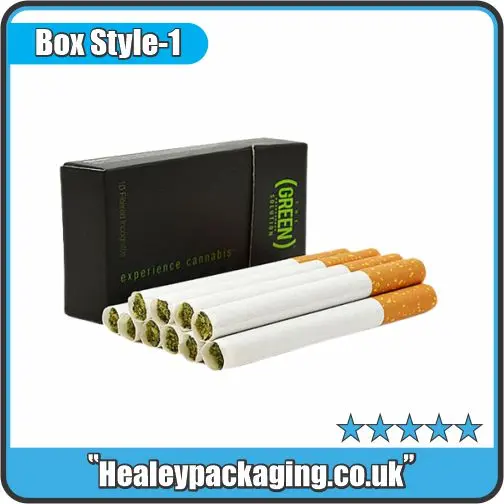
Cannabis Cigarette Boxes
Cannabis cigarettes are normally packed in small folding cartons. The pack size...
View Cannabis Cigarette BoxesCBD products require packaging that protects the contents while providing space for clear product information and consistent branding. Our custom CBD packaging boxes are manufactured around your product, using premium materials, tailored structures and professional printing to support compliant retail presentation, ecommerce delivery and wholesale distribution across the UK.
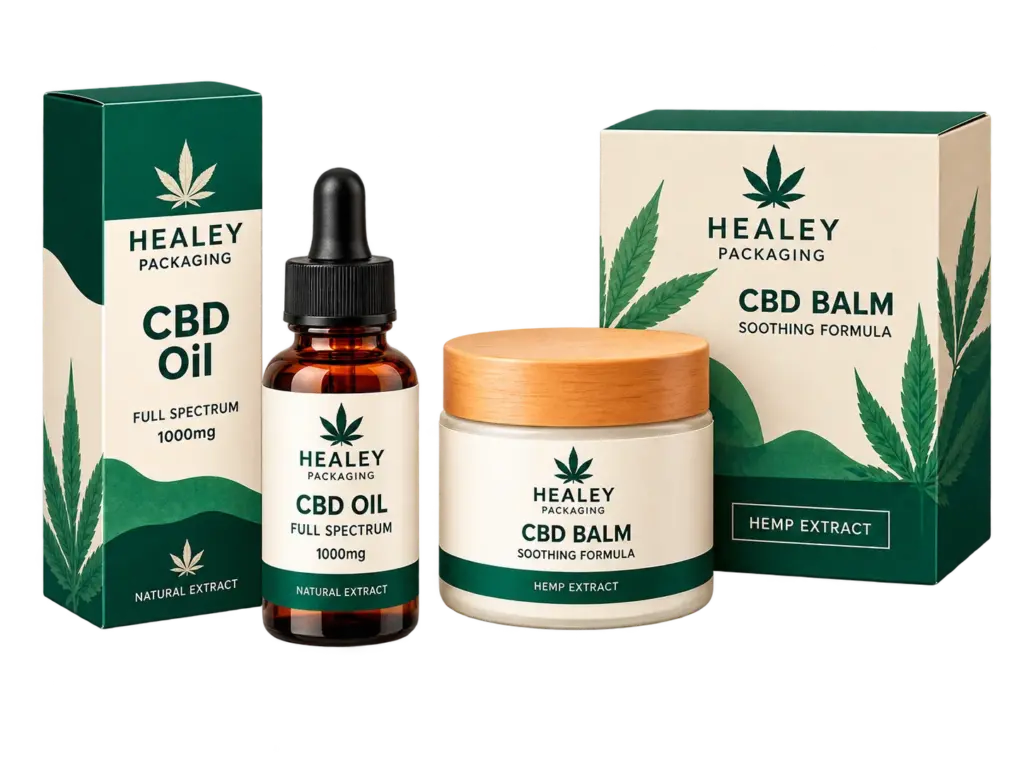
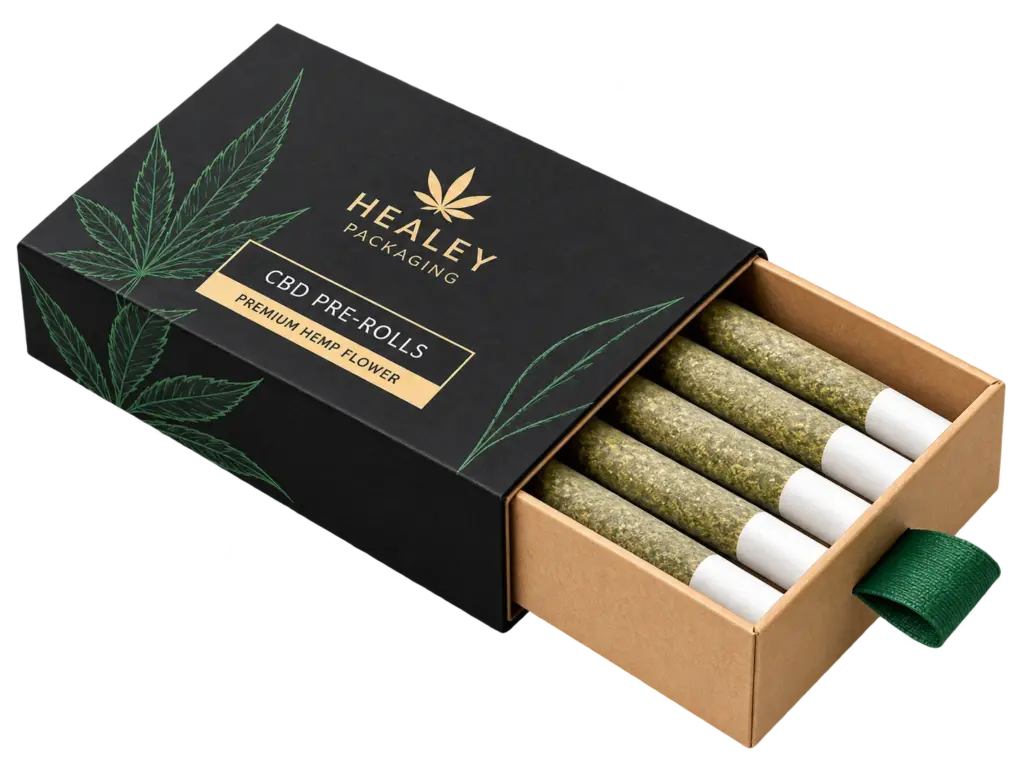
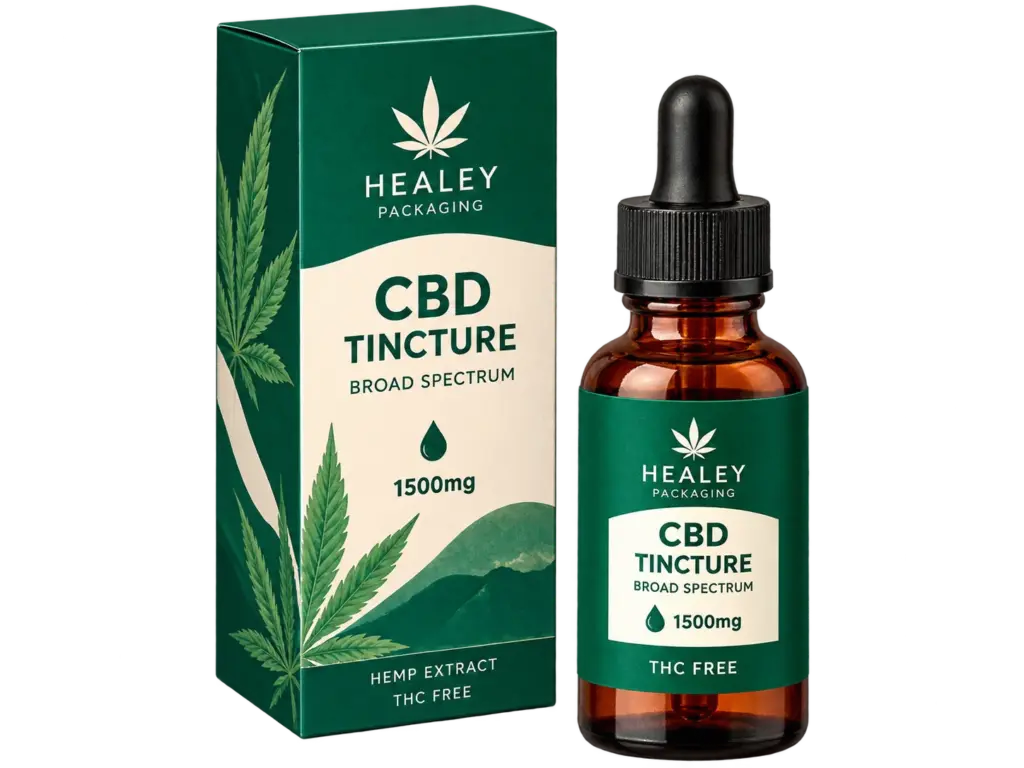
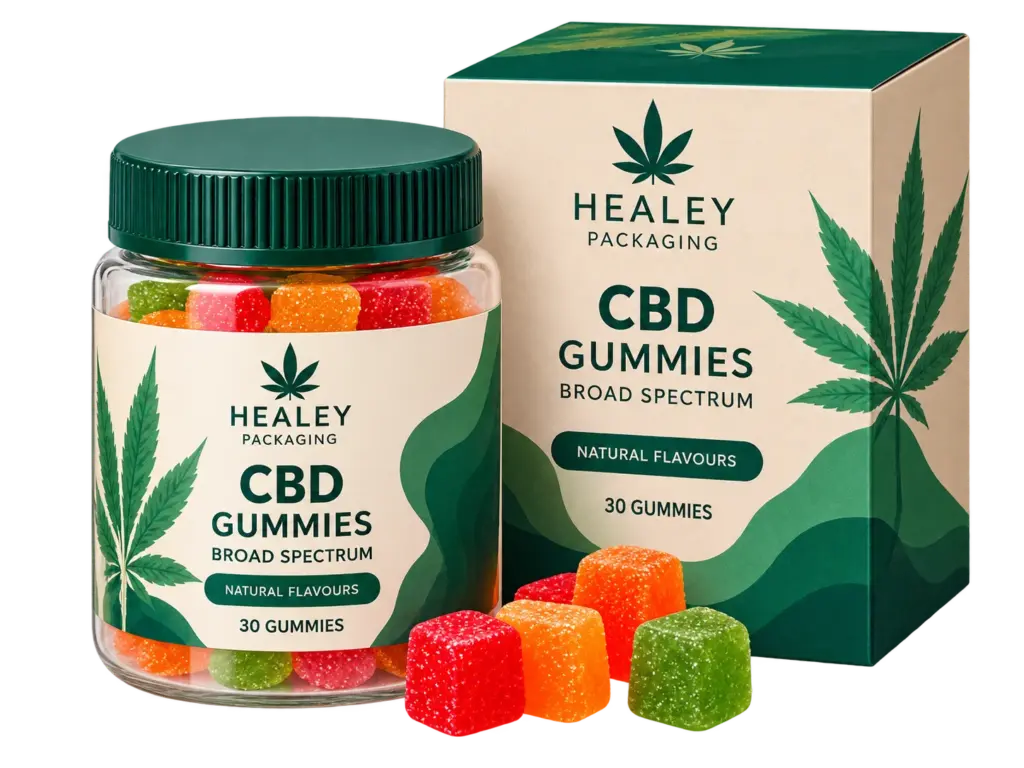
Browse CBD boxes for oils, tinctures, skincare, gummies and retail-ready wellness products.
Protective cartons for dropper bottles, oils and tinctures.
Popular
Cannabis cigarettes are normally packed in small folding cartons. The pack size...
View Cannabis Cigarette Boxes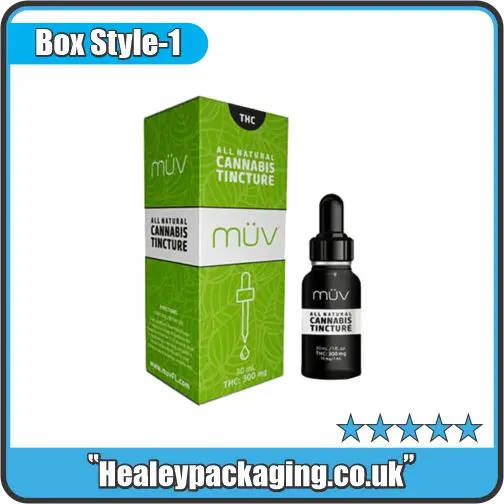 Best Seller
Cannabis oil products are often packed in small bottles, usually with droppers....
View Cannabis Oil Boxes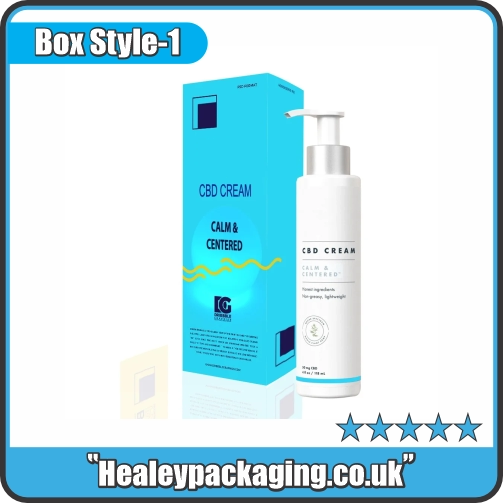 Most Ordered
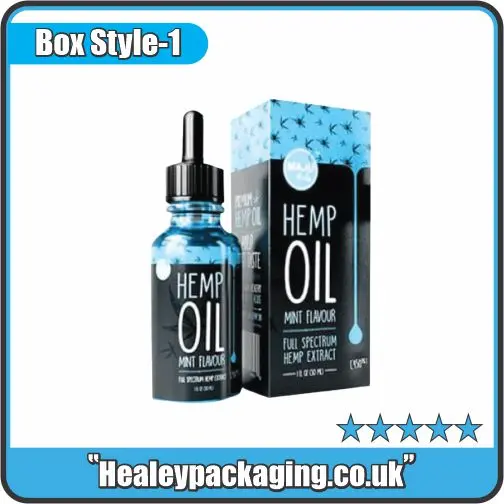 Custom
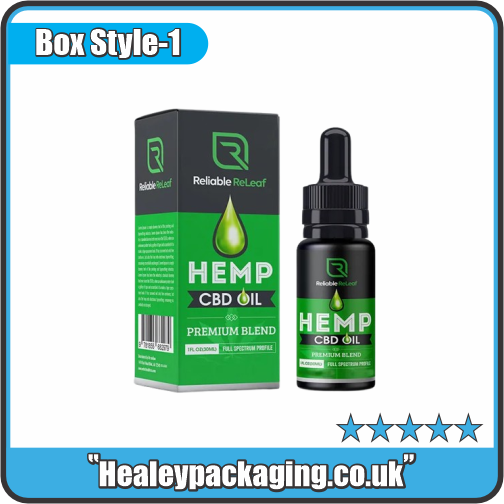
CBD oil is usually packed in small glass dropper bottles. Those bottles...
View CBD Oil Packaging BoxesShelf-ready formats with clear branding and product information space.
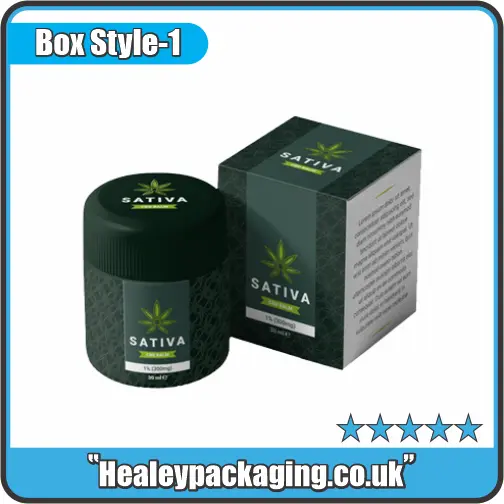 Premium
CBD subscription packs are sent out regularly, often monthly, and the packaging...
View CBD Subscription Boxes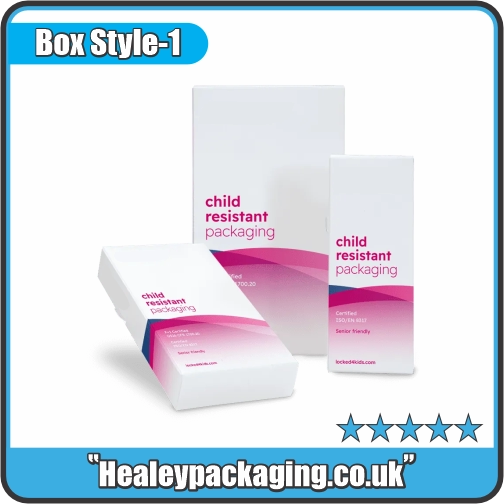
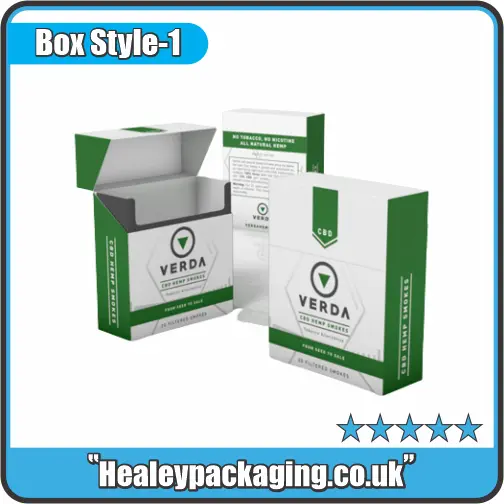
Cigars are not packed the same way as standard cartons. They are...
View Cigar Packaging Boxes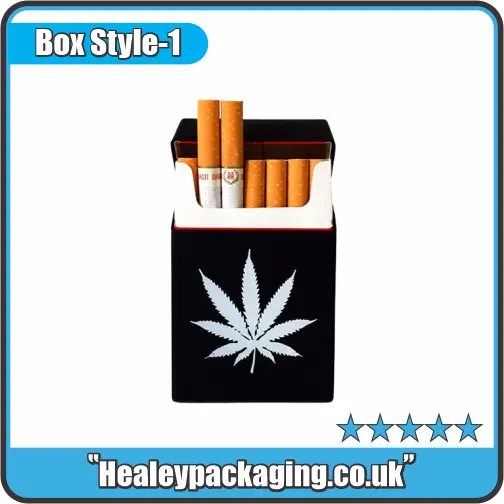
Cigarette cartons are small, but they leave very little margin for error....
View Cigarette BoxesPackaging for creams, balms, supplements and wellness ranges.
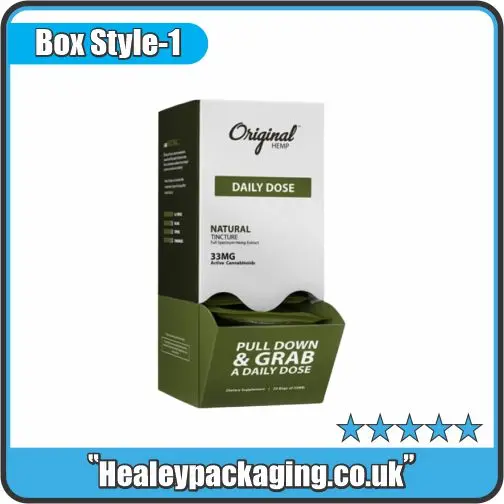
When it comes to CBD tinctures, your packaging says just as much...
View Custom CBD Tincture Boxes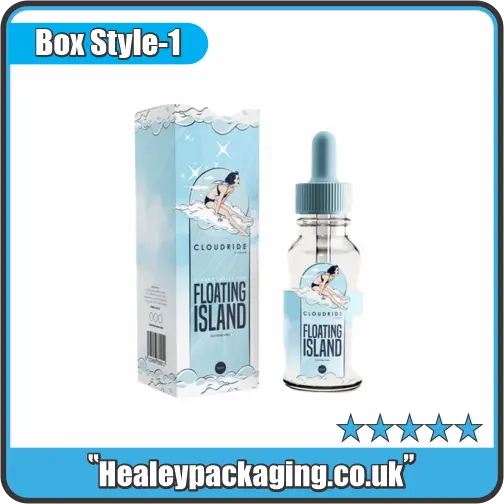
Make your e-liquid stand out with packaging that works as hard as...
View Custom E liquid Packaging Boxes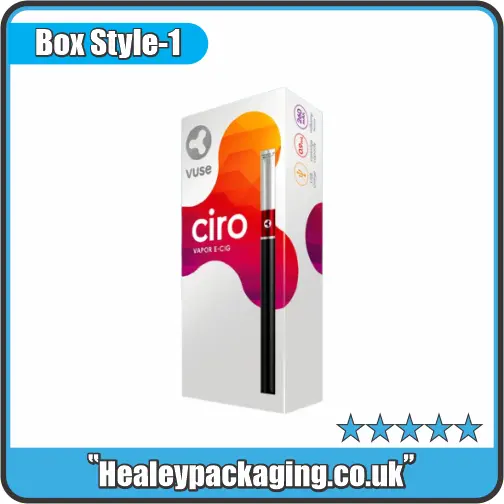
Most vape devices are packed in compact cartons designed for retail shelves....
View E-Cigarette Boxes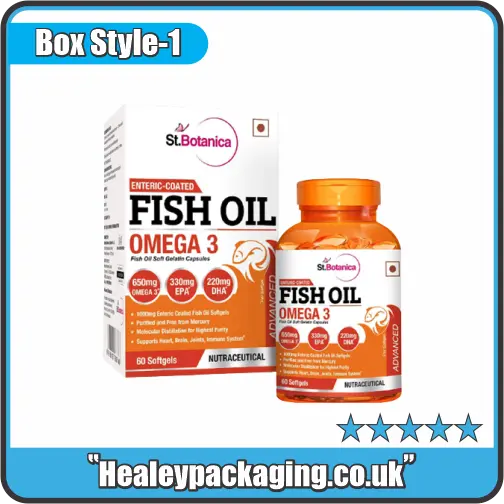
If you are looking for high-quality custom fish oil box packaging at...
View Fish Oil Packaging BoxesLuxury finishes and specialist details for stronger brand presentation.
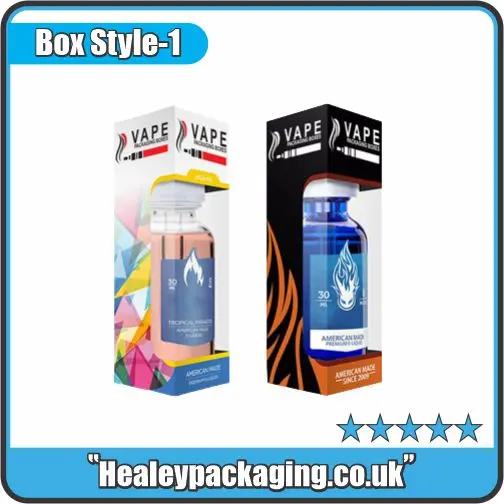
Vape products are small, light, and easy to damage if the carton...
View Vape Packaging Boxes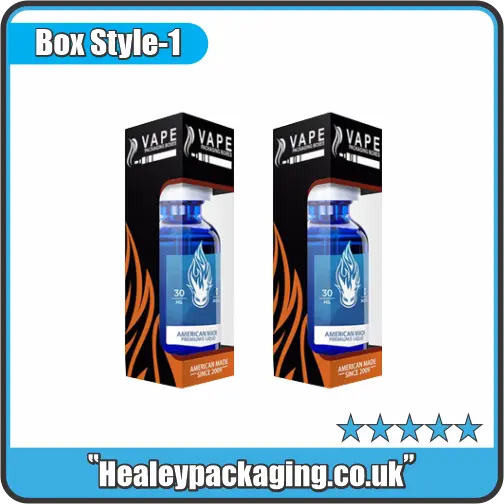
You can tell quite quickly when e-liquid packaging isn’t doing its job....
View Window E-Liquid BoxesNo matching products found.
CBD products vary widely in size, format and how they are sold. A small dropper bottle, jar of balm, pouch of gummies and skincare set all place different demands on the secondary packaging around them.
 Dropper Bottles
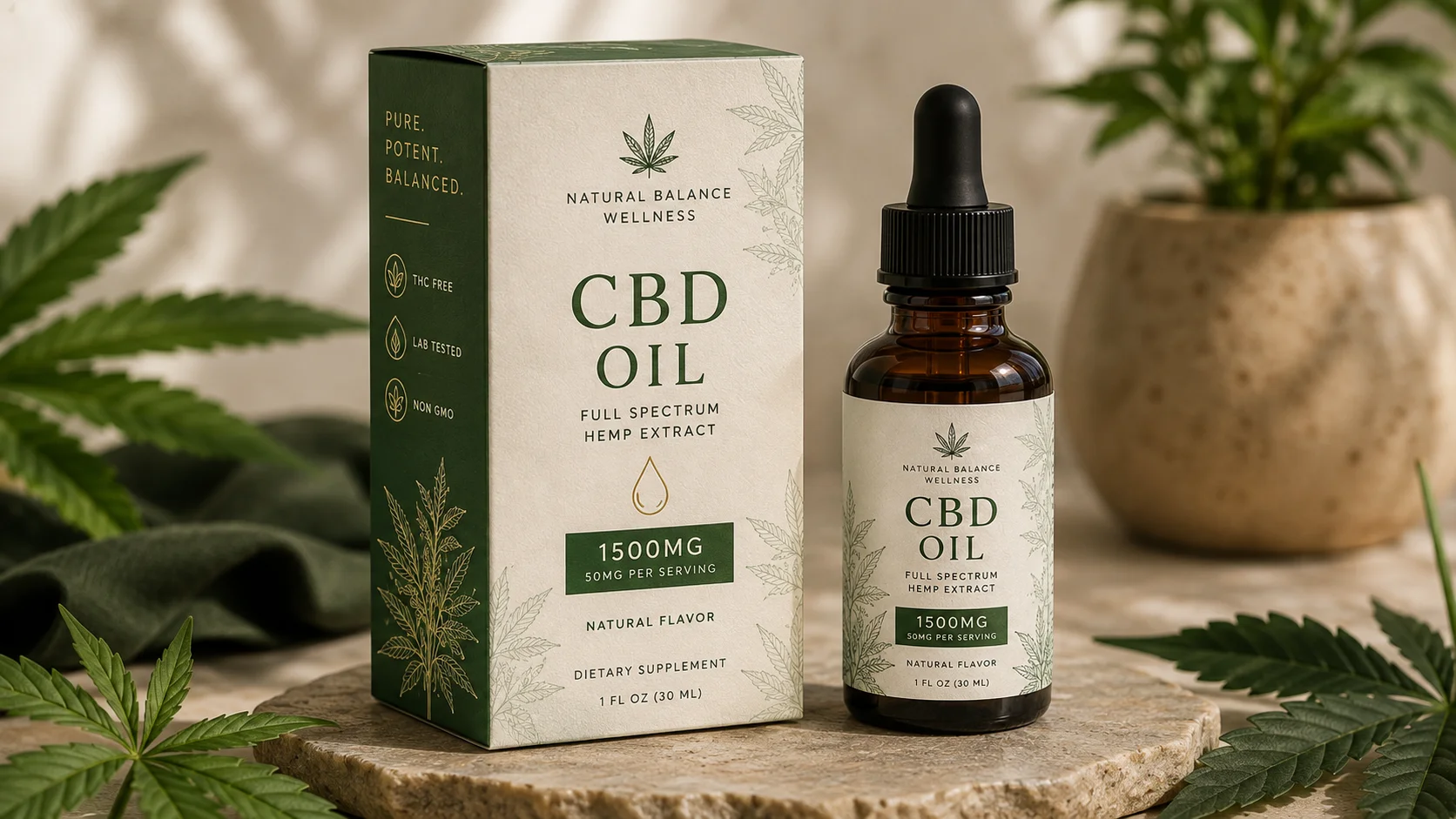
Tinctures are commonly packed in small glass bottles that need a close-fitting carton with enough room for labels, droppers and any internal support.
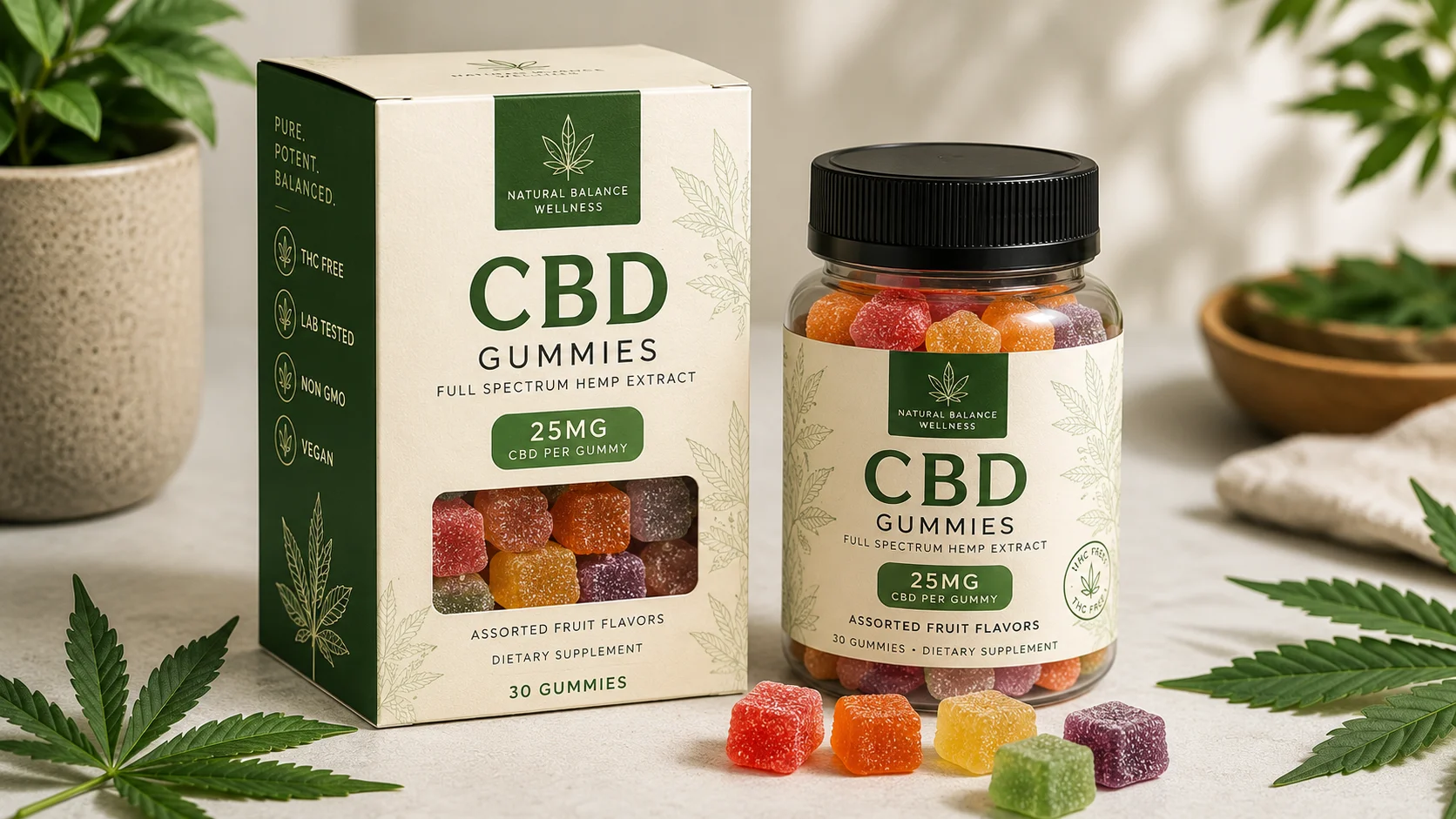 Edible Products
Gummies and other CBD edibles may be sold in tubs, pouches or individual formats. The outer carton should provide enough surface area for product information while remaining practical to store and merchandise.
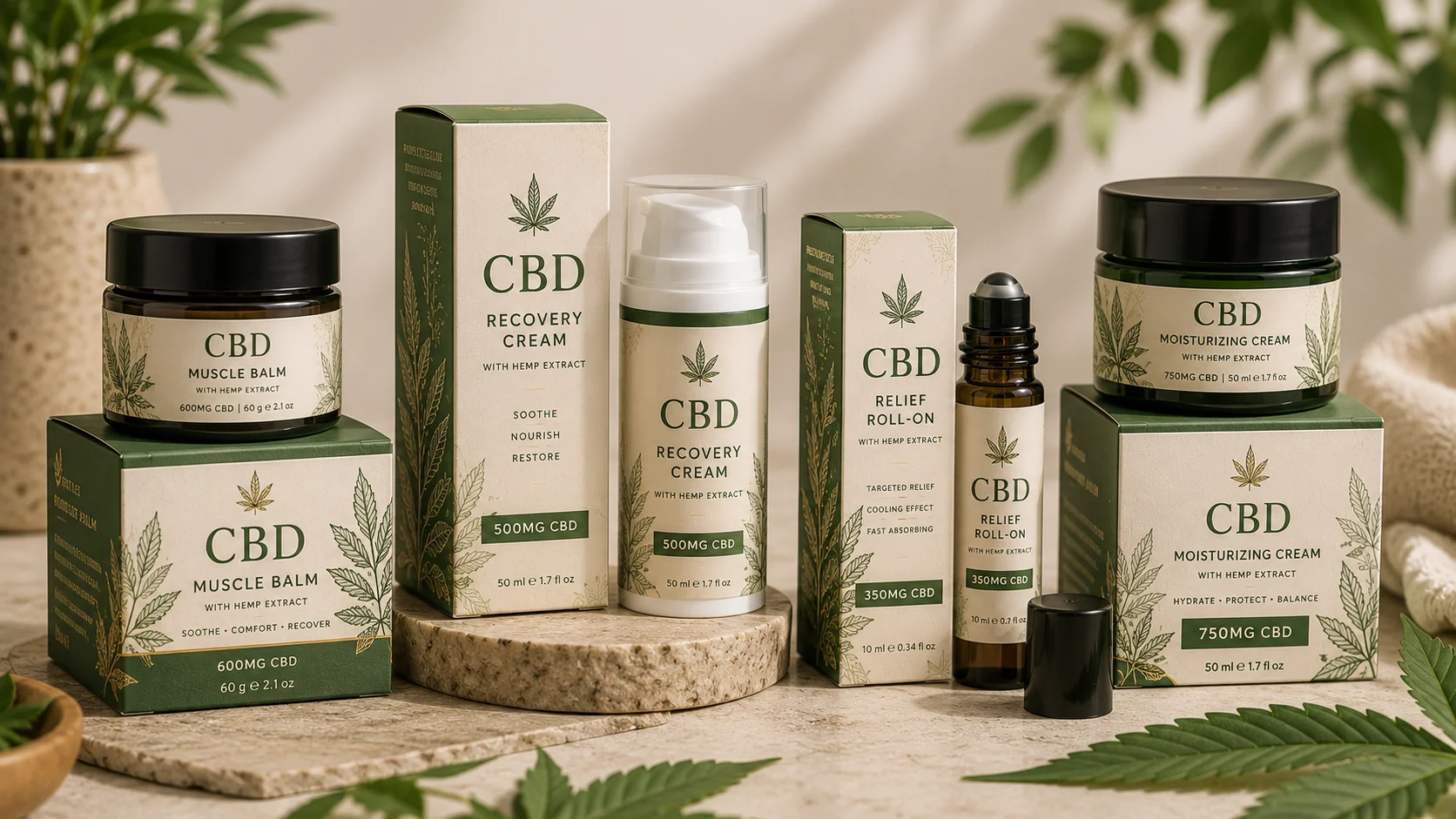 Balms and Creams
Balms, creams and roll-ons can vary considerably in diameter and height. The carton should match the finished container while remaining easy to fill on the packing line.
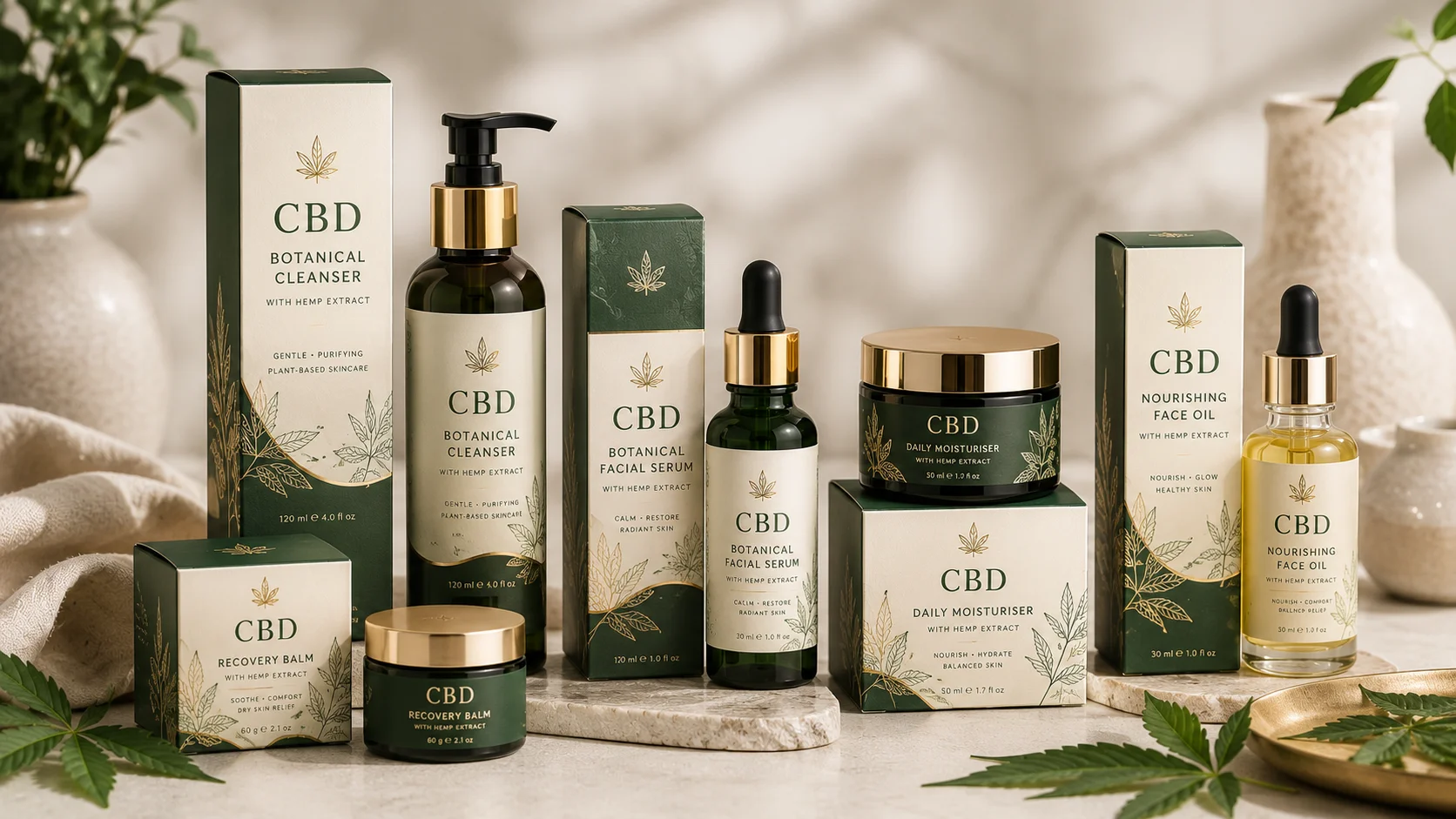 Beauty and Wellness
CBD skincare often shares the visual expectations of beauty packaging, where shelf presentation and product hierarchy matter alongside accurate sizing.
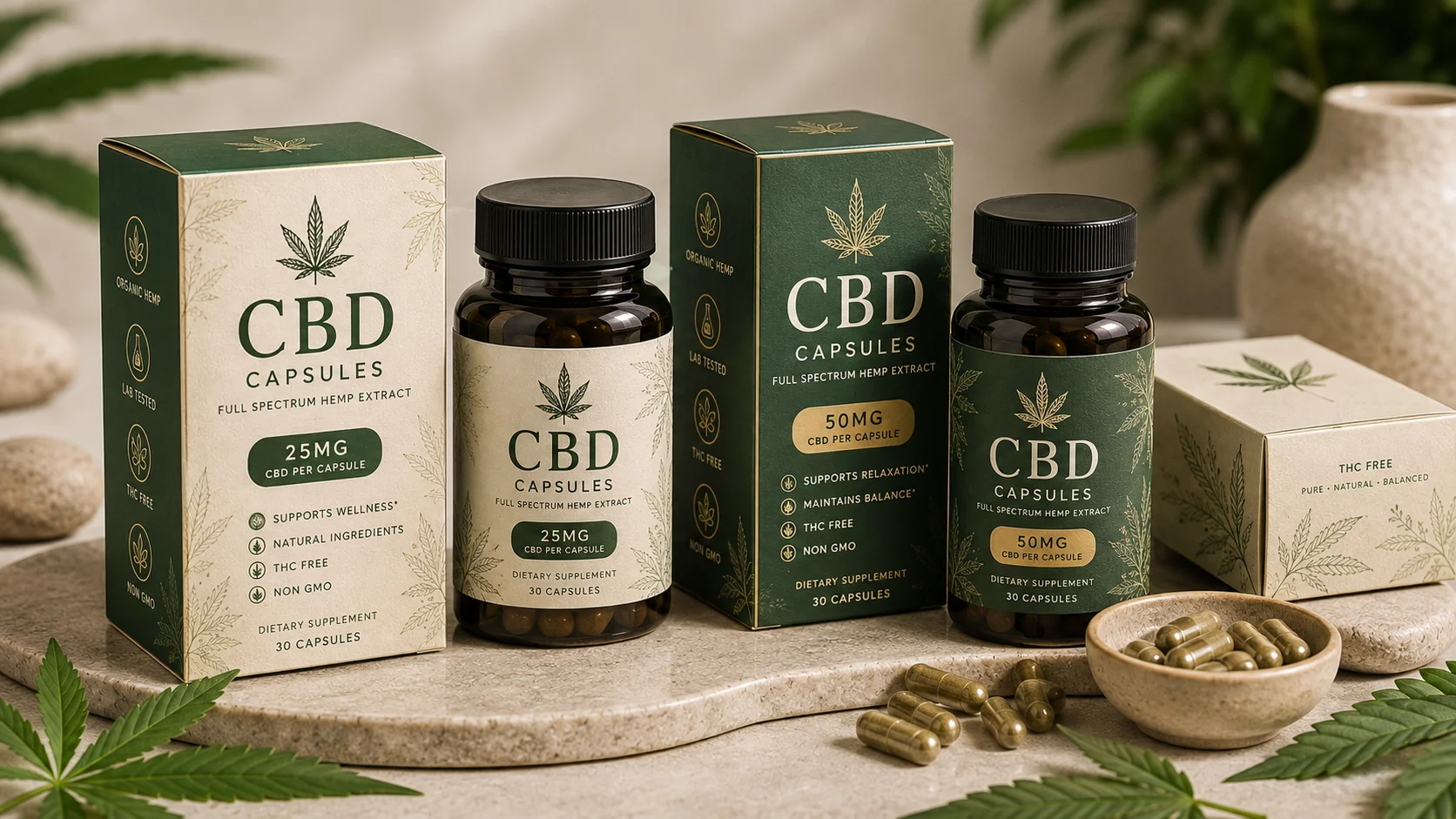 Wellness Supplements
Capsule products are commonly supplied in bottles, where the carton provides branding space and a more controlled retail presentation around the primary container.
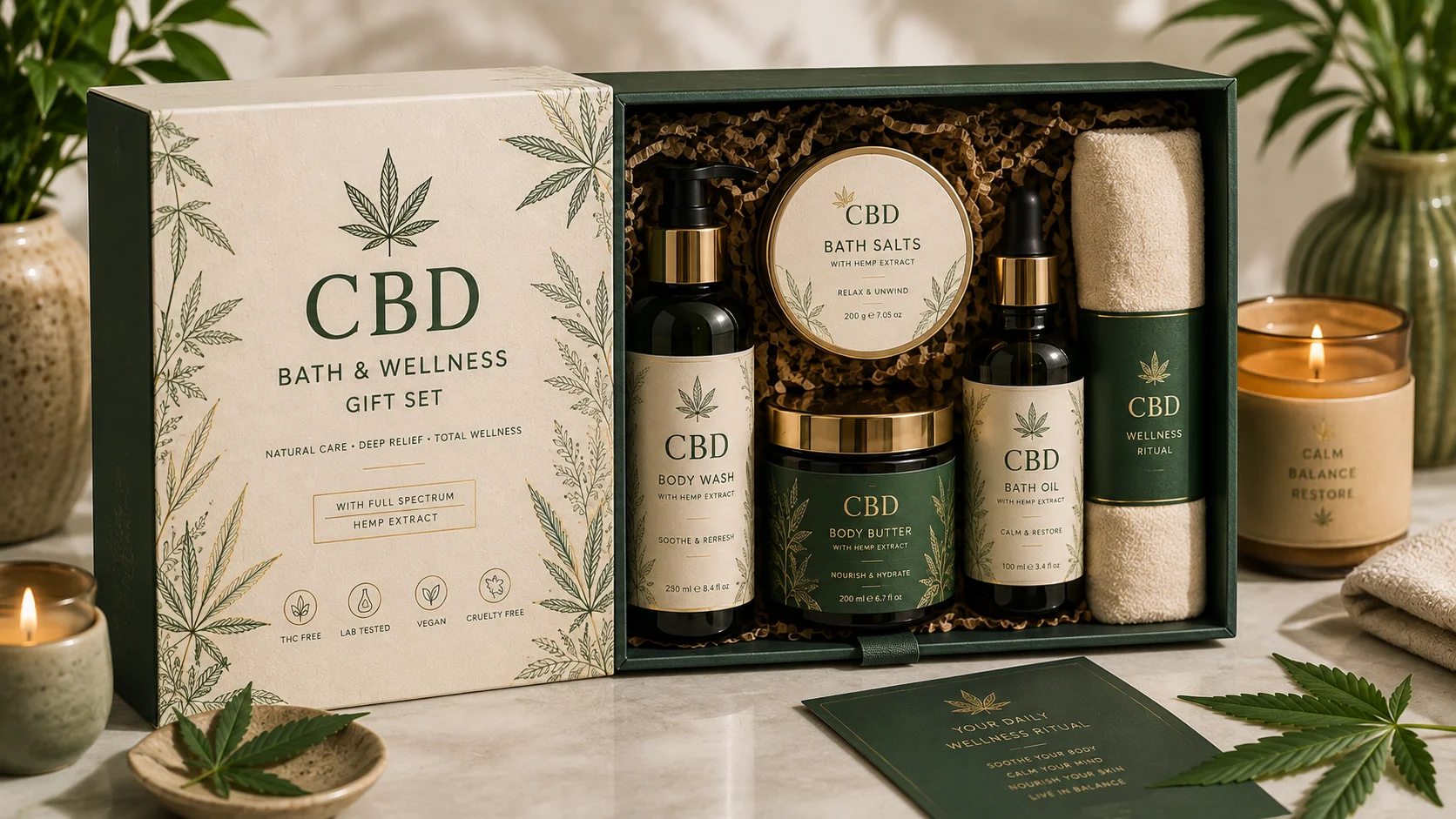 Gift and Collection Formats
Gift-led formats may combine oils, balms, bath products or skincare in one pack. The structure needs to organise different product sizes without making the presentation feel cluttered.
A product family can include oils, gummies, topicals and skincare at the same time. The structures may change between products while the typography, colour system and visual hierarchy remain consistent.
Build each pack around the actual container.
Use colour and naming to separate strengths or flavours.
Keep layouts consistent across multiple product formats.
Different structures without fragmented presentation.
The primary container should determine the carton dimensions, support points and usable internal space. A dropper bottle, balm jar and supplement tub may belong to the same brand, but they should not be forced into the same structural solution.
The outer box may look simple, but the container inside determines where clearance, restraint and structural support are needed.
Dropper bottles are narrow but relatively tall. The carton should accommodate the closure without adding excessive headspace and should prevent the bottle from leaning during handling.
Gummies may sit in tubs, pouches or smaller grouped formats. The secondary carton should follow that container rather than being sized around the edible contents themselves.
Balm and cream jars often create a broader footprint than oil bottles. The structure should account for the container diameter, lid profile and packed weight without making the carton unnecessarily oversized.
Long, slim containers can shift or lean if the carton is too wide. Controlled internal width helps maintain presentation while still allowing practical loading.
Mixed CBD sets may combine bottles, jars, tubes and printed literature. The internal layout should be developed first so heavier products do not dominate the structure or shift into smaller items.
The internal space needs enough clearance for packing, but not so much that the product moves repeatedly once the carton is closed.
Labels catch, lids rub and packing slows down.
Practical loading with limited free movement once closed.
Rattling, leaning and inconsistent presentation become more likely.
Material choice should reflect the CBD product, finished container weight, sales channel and brand position. A compact tincture carton may prioritise print quality, while a heavier jar, ecommerce pack or gift set may need greater structural strength.
Rather than choosing board by appearance alone, start with the physical product and route to market. These checks help determine whether folding boxboard, kraft, corrugated or rigid construction is more appropriate.
Bottle, jar, tube, pouch, tub or multi-product set.
Filled glass jars and sets need more support than lightweight cartons.
Retail shelf, ecommerce, subscription, wholesale or gifting.
Clinical, natural, premium, minimalist or retail-led.
The same board does not suit every CBD product. The container, product weight and whether the packaging directly contacts edible contents all change the specification.
SBS or quality folding boxboard works well for many dropper-bottle cartons. Heavier glass may need a stronger grade or internal support.
If gummies are sealed inside a tub or pouch, the outer carton mainly handles branding and retail presentation. Any surface that directly touches food should be specified appropriately for that use.
Cream and balm jars often create a broader footprint and higher packed weight than small bottles. Material grade should reflect that load.
Multi-product sets may combine bottles, jars and printed literature. Corrugated or rigid formats may suit heavier collections where structure becomes part of the presentation.
These comparisons are useful starting points rather than fixed rules. Final board grade should be confirmed against the actual product weight, structure and production specification.
CBD packs often need to carry more information than a conventional retail carton. Product identity, strength, quantity, traceability fields and any information required for the particular product category should be planned into the artwork before decorative elements take over the available panel space.
A carton has limited usable area once folds, glue zones, closures and barcode requirements are considered. Planning the information hierarchy early helps prevent mandatory copy being squeezed into the final artwork.
The exact legal requirements depend on the product being sold. The packaging specification should leave enough usable area for the information your regulatory or product team confirms is required.
Give the customer a clear description of what the product is without forcing essential information into decorative areas.
Oils, gummies and other ranges may use several strengths, flavours or pack sizes. The hierarchy should reduce the risk of customers confusing closely related products.
Batch, lot or date information may be applied later in production, so the artwork needs a clear writable or printable zone.
Barcodes should be positioned on a suitable panel with adequate quiet space and away from structural features that can distort the code.
A CBD food supplement and a CBD cosmetic may sit under different regulatory frameworks. Packaging artwork should therefore be checked against the requirements applying to the specific product before print approval.
CBD food products in Great Britain are subject to the novel food framework, while applicable food and food supplement labelling requirements may also affect the final pack. :contentReference[oaicite:1]{index=1}
Cosmetic products placed on the Great Britain market have their own labelling and product compliance framework, so skincare artwork should not simply copy food-supplement layouts. :contentReference[oaicite:2]{index=2}
Retail cartons must balance front-facing brand communication with enough panel space for detailed information and retailer data.
Tamper-evident features may be appropriate depending on the product, primary container and sales environment. They should be designed into the closure rather than added as an afterthought after the artwork is approved.
The objective is generally to give visible evidence that the pack has been opened or interfered with.
Foil, embossing, Spot UV and other decorative layers should come after the essential copy has been given enough room and the final dieline has been confirmed.
CBD brands often sit somewhere between wellness, science, beauty and premium retail. Print and surface treatments should reinforce that position while keeping strength, variant and product information clear enough to read quickly.
The same box structure can communicate very different brand positions through colour, paper surface and finishing. A clinical CBD oil range should not automatically be treated like a botanical skincare collection or a premium gift line.
White space, restrained colour and consistent typography work well for ranges where clarity and technical positioning are more important than decorative impact.
Kraft, uncoated papers and muted colour palettes can support wellness-led positioning where the material itself forms part of the brand experience.
Premium ranges often benefit from one strong tactile or reflective detail rather than several competing effects across every panel.
Colour systems can help shoppers distinguish flavour, strength or product type while keeping the wider family visually consistent.
The right print route depends on artwork complexity, colour expectations, material surface and production volume. The method should be chosen around the specification rather than treated as a cosmetic afterthought.
Suitable for gradients, illustrations, photography and artwork using several colours across the pack.
Useful where a specific brand shade needs closer control between different products or repeat production runs.
White ink can create contrast or provide an underbase on coloured materials where standard inks would otherwise appear muted.
Specialist finishes are most effective when they reinforce a clear focal point such as the brand mark, product name or selected graphic element.
Metallic or coloured foil can emphasise a logo, product name or selected border.
Raised or recessed elements add physical depth without relying on additional colour.
Gloss detail over a matt background can create subtle contrast on logos, symbols or pattern work.
Lamination changes the handling experience and can shift the pack from clinical to more premium.
Tactile paper surfaces suit botanical, skincare and wellness-led ranges where material character matters.
CBD ranges often include closely related strengths, flavours or formats. Print hierarchy needs to help customers identify the correct product while still supporting a consistent brand.
Establish the main identity.
Make the format immediately clear.
Separate similar SKUs clearly.
Add decorative emphasis last.
The best box style depends on how the product is packed, displayed and handled after production. A lightweight tincture carton, heavier balm jar, counter display and premium gift set all benefit from different structural formats.
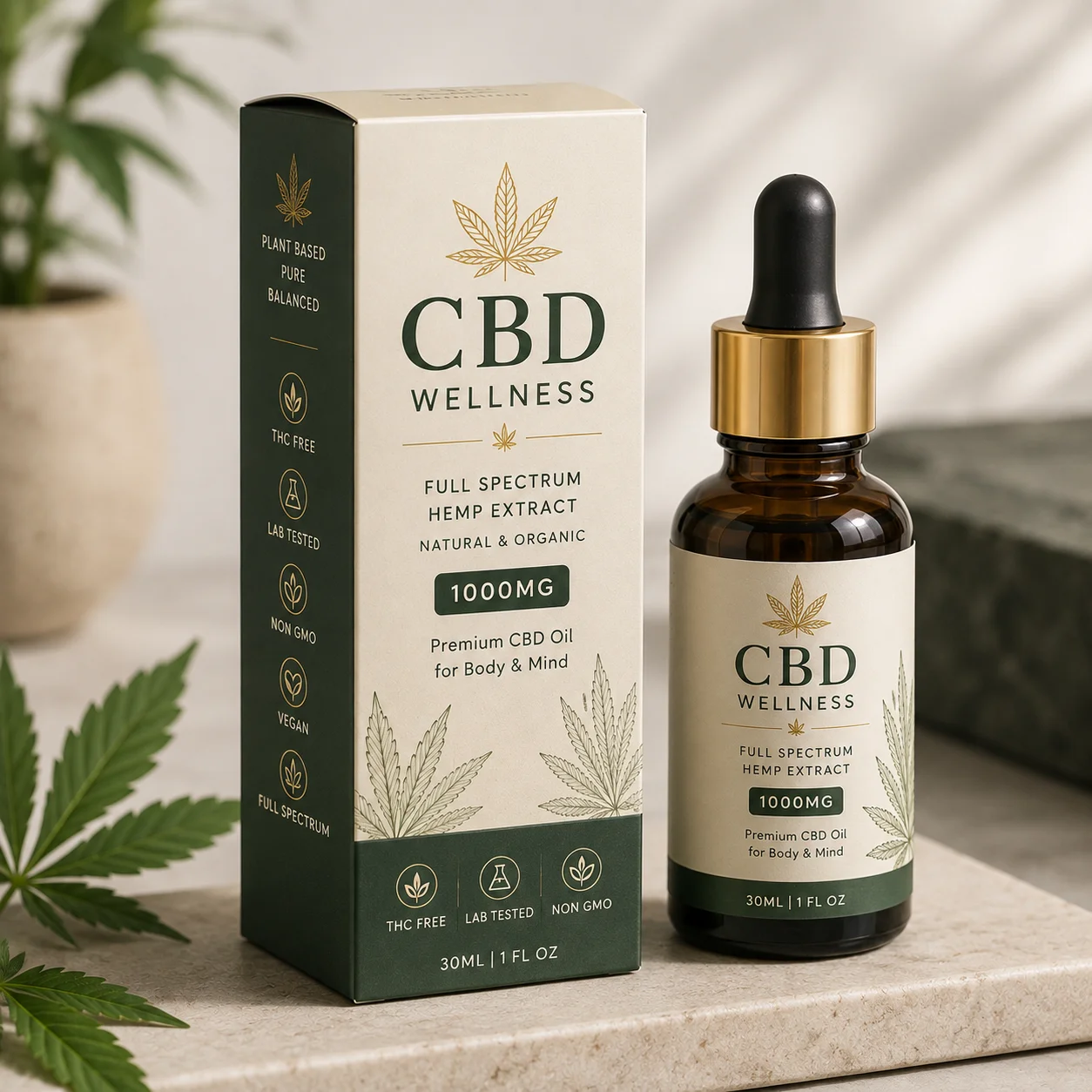
A clean folding carton with top and bottom closures aligned on the same side. It works well for compact products where efficient filling and flat storage are important.
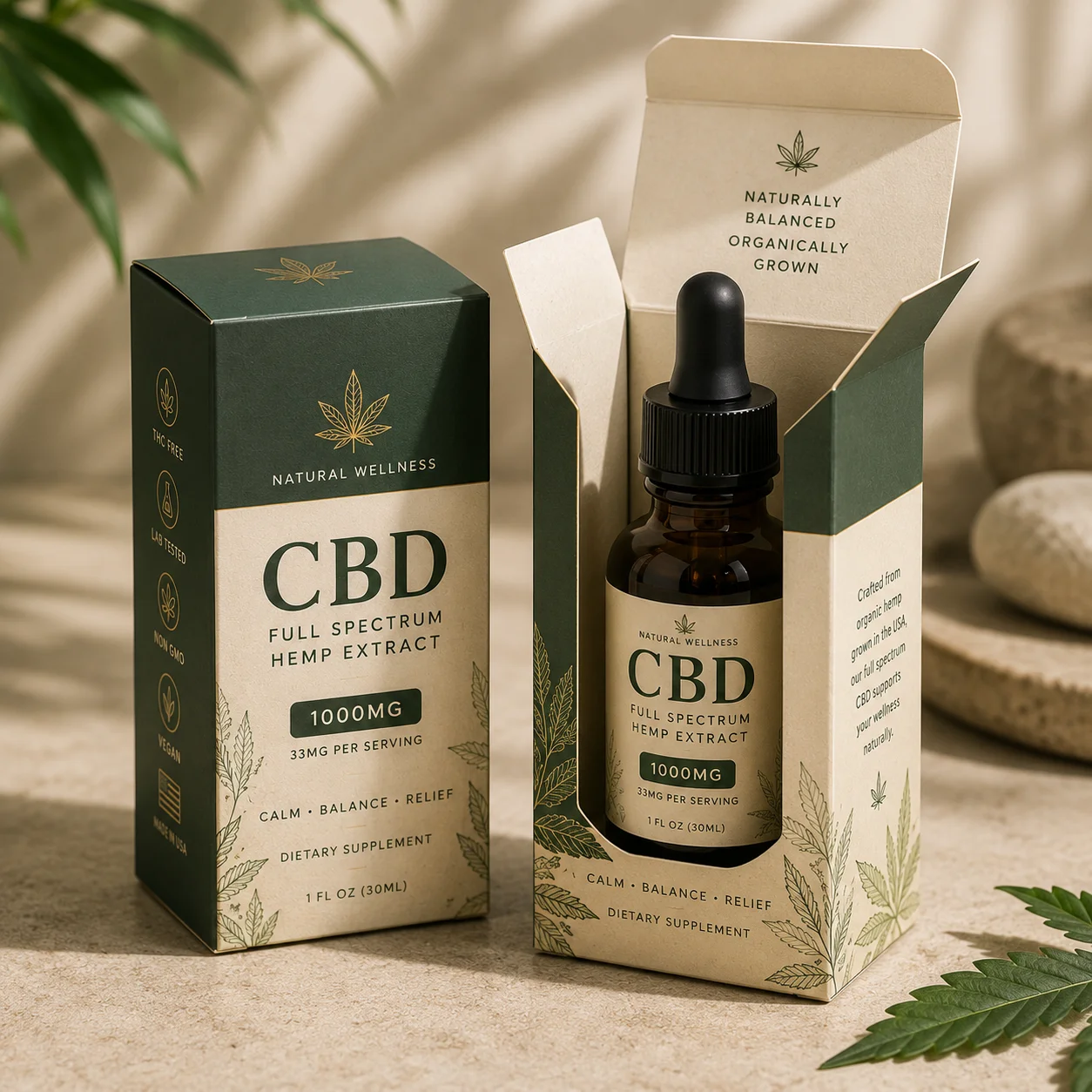
Top and bottom tuck flaps close in opposite directions, making this format practical for many lightweight CBD products and repeat retail runs.
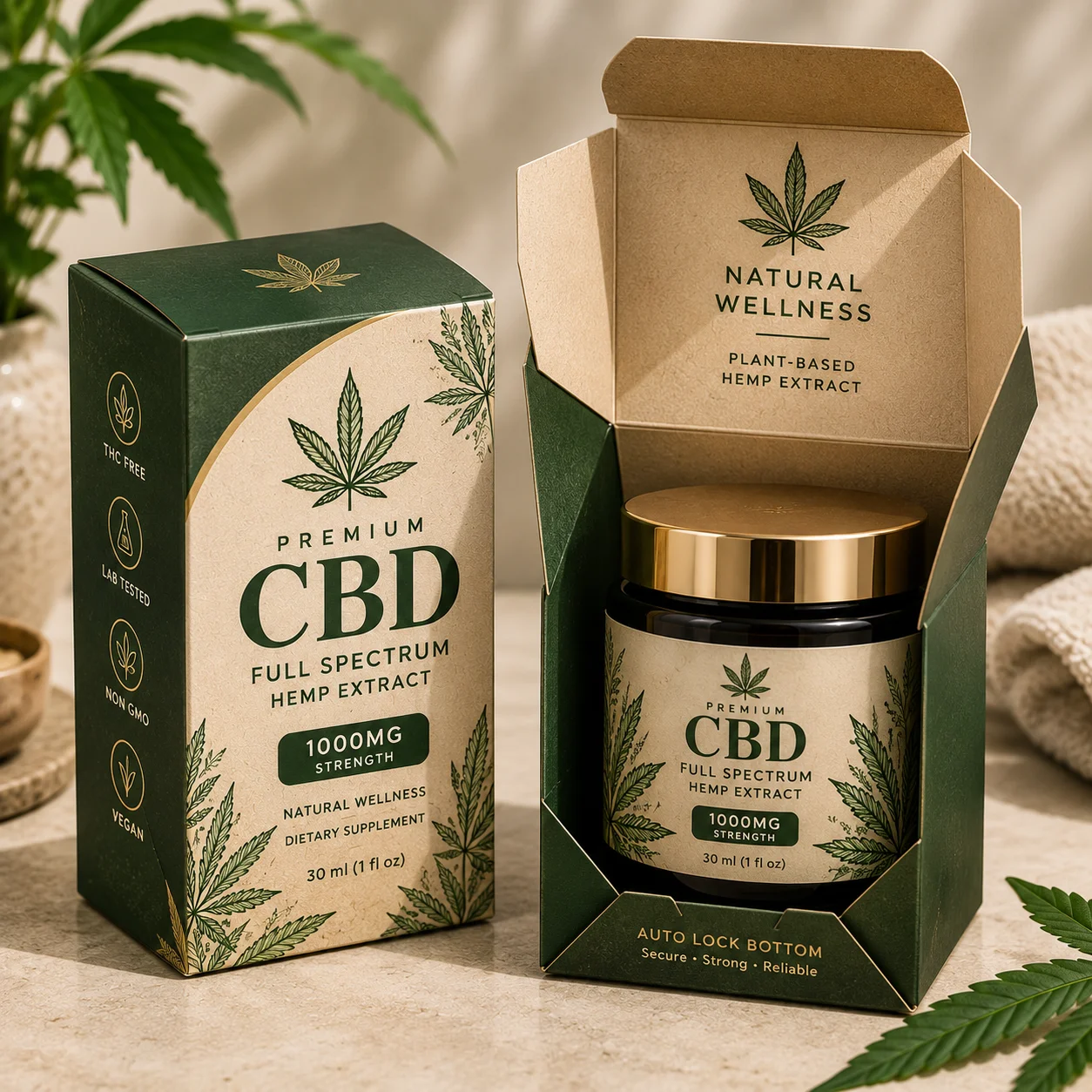
A pre-glued base locks into position during assembly, providing additional support and faster packing for heavier containers.
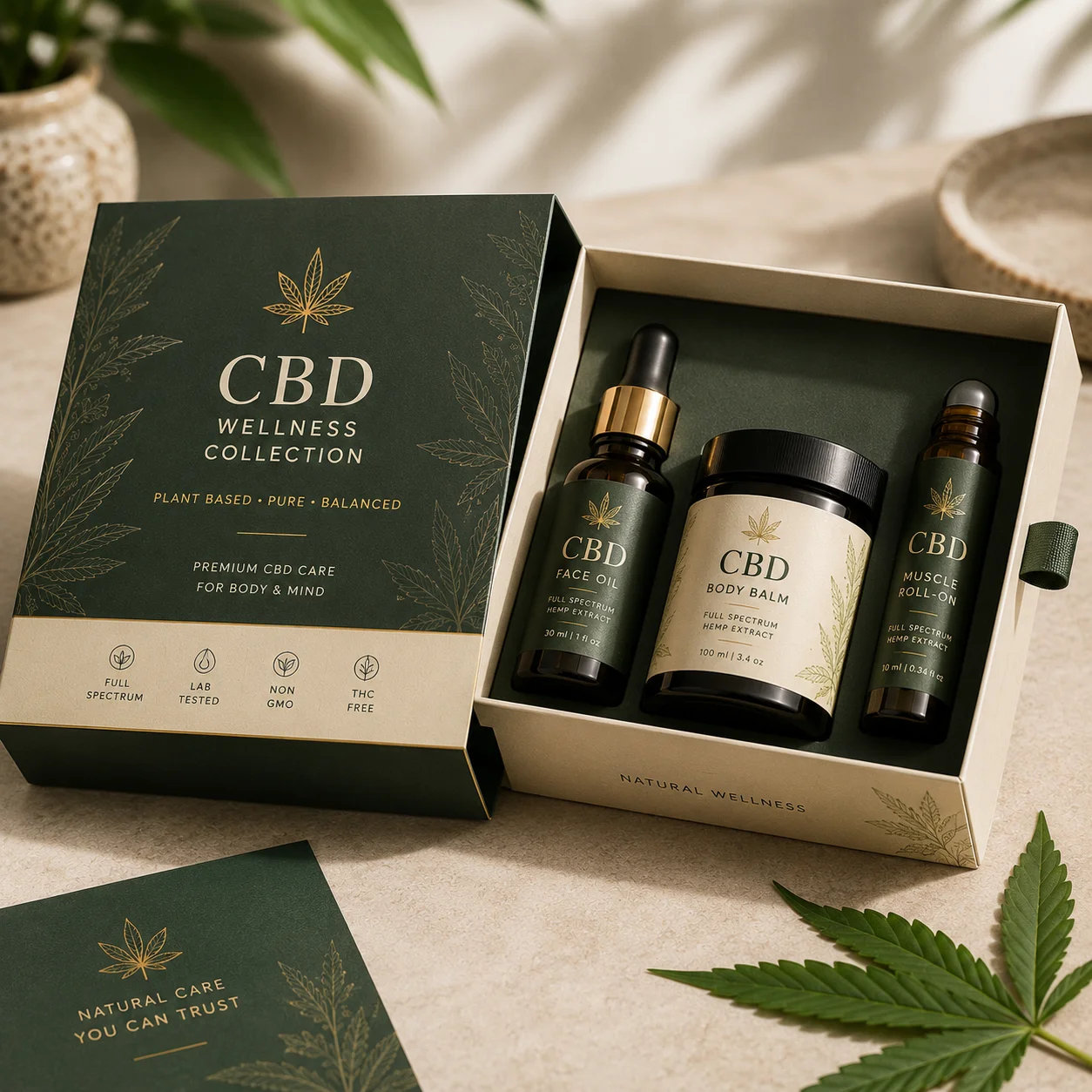
A printed sleeve slides over an inner tray, creating a reveal moment while keeping the overall structure more compact than a full rigid presentation box.
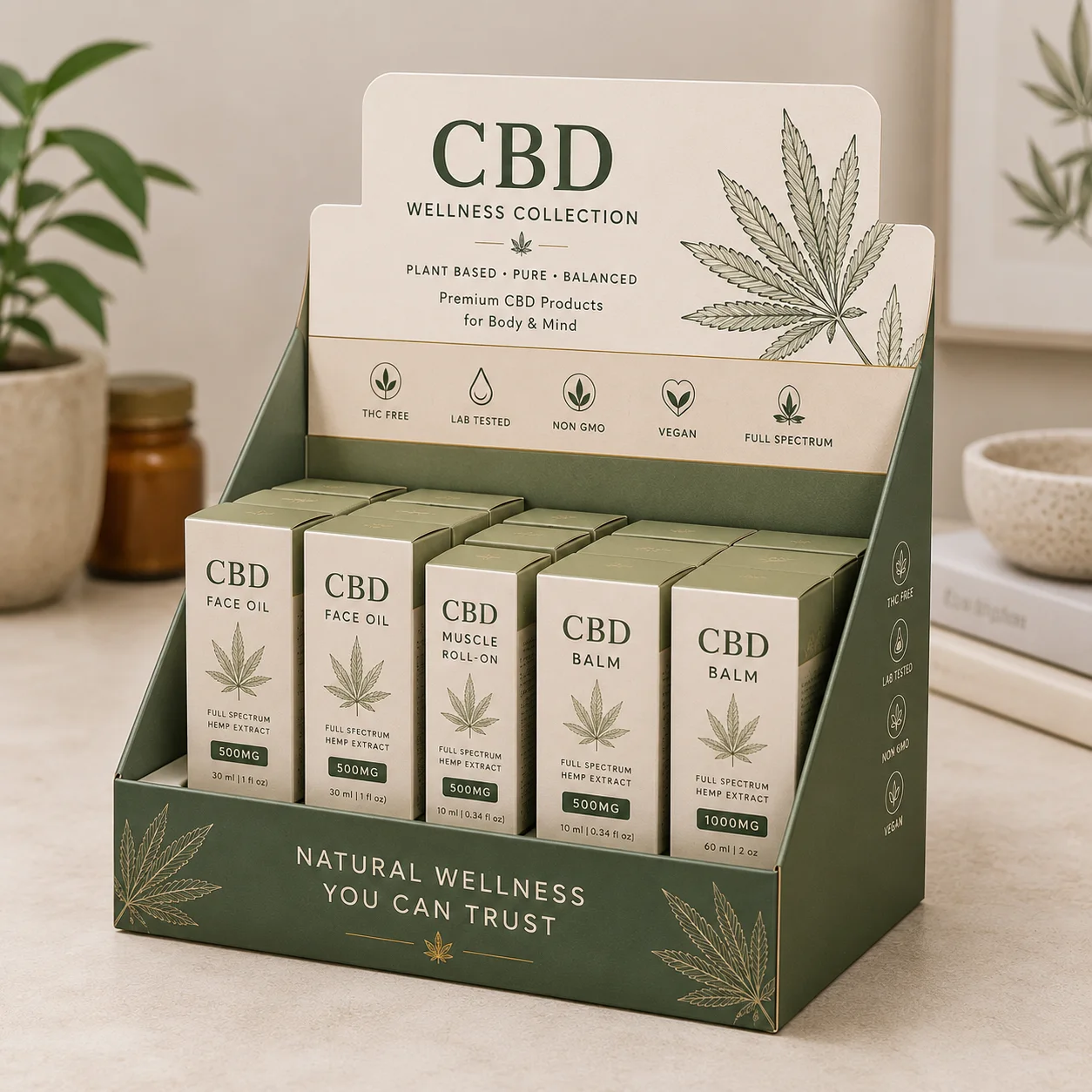
Display cartons hold multiple units in one retail presentation, making them useful for checkout areas, trade counters and grouped SKU merchandising.
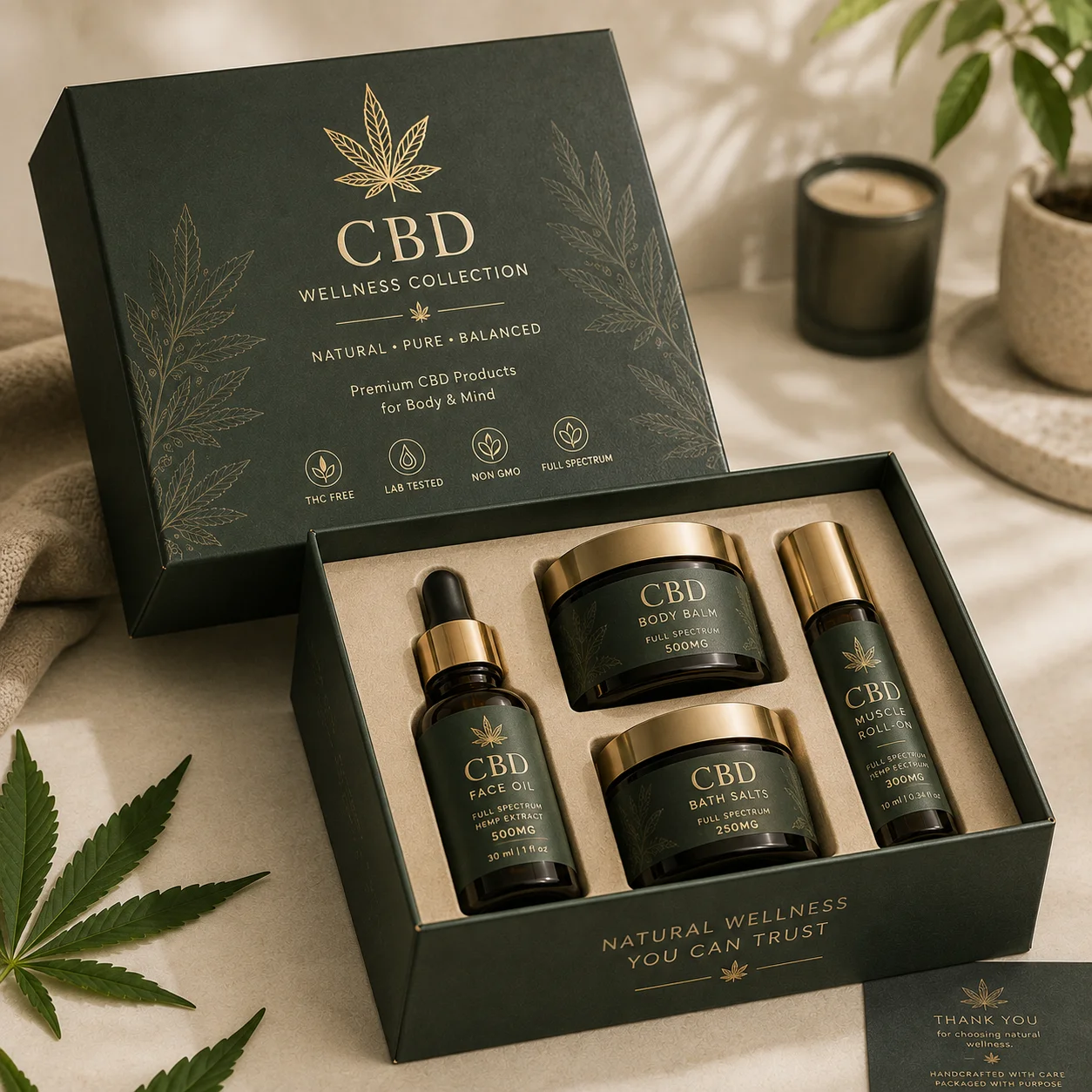
A separate lid and base create a substantial presentation suited to high-value CBD collections, gifting and premium skincare sets.
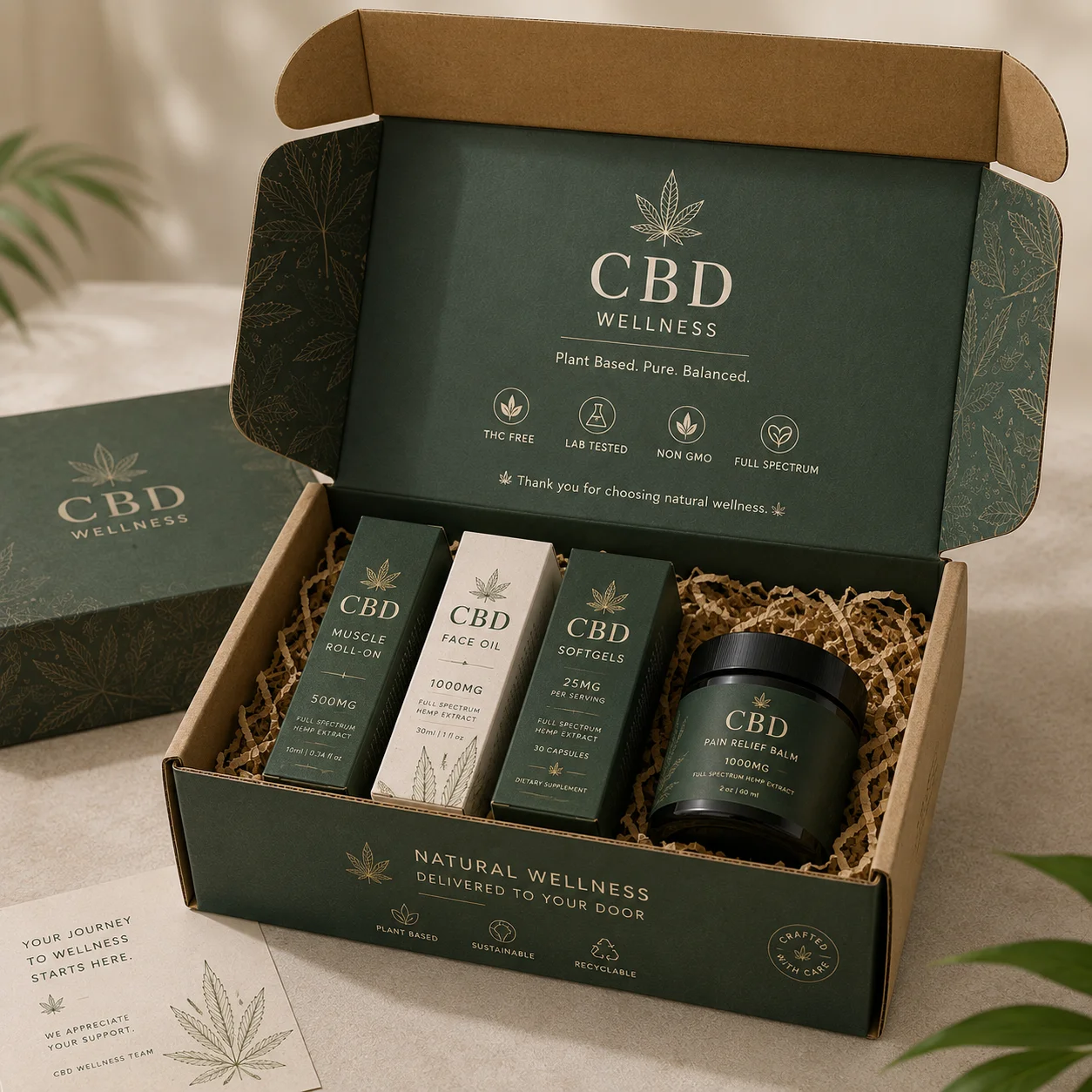
Corrugated mailer structures are suited to direct delivery where the packaging needs to handle courier movement while maintaining a branded presentation.
Most CBD packaging projects can remove several unsuitable structures simply by identifying how the product will be packed, displayed and delivered.
Compact, printable and efficient for individual products.
Adds base support while keeping assembly practical.
Prioritises presentation and perceived value.
Groups multiple units in a retailer-ready presentation.
Better suited to parcel handling and direct-to-consumer delivery.
Use related formats where possible to maintain visual consistency.
Sustainability should be considered alongside product protection, print requirements and disposal. For many CBD ranges, that means using recyclable paper-based structures, responsibly sourced board and fewer unnecessary material layers.
Right-sized cartons and simpler paper-based inserts can reduce material use while still supporting bottles, jars and retail packs.
Responsibly sourced paperboard can be specified where it suits the required structure and production method.
Folding cartons, kraft structures and corrugated packs can provide recyclable options for many CBD applications.
Die-cut board supports and folded dividers can replace mixed-material inserts in suitable packaging formats.
Use coatings, laminates and decorative effects only where they add clear brand or performance value.
CBD packaging projects often involve several connected decisions: structure, artwork, SKU variation, sampling and repeat production. We help bring those stages together so the pack is easier to approve, manufacture and reproduce when the range grows.
The most useful supplier support happens before production. Product dimensions, structure, artwork and range requirements are reviewed early so fewer issues are left to solve once the order reaches manufacturing.
One route from structural development through production
Support for individual SKUs and wider product families
Clear reference for future production and reorders
Structure, material and finishing should solve a genuine packaging or brand requirement rather than simply adding more production steps.
Start with the finished container, quantity, product format, intended selling channel and any requirements that affect the outer pack.
The dieline, closure and any internal support are developed around the actual container rather than a generic stock size.
Sampling can help confirm fit, opening behaviour, product position and presentation where the structure or product combination needs physical verification.
Artwork is applied to the confirmed structure with panel orientation, safe areas, specialist layers and SKU differences clearly defined before print.
Board, print, finishing and structural details are brought together against the agreed production reference.
An approved specification provides a clearer starting point for reorders, seasonal updates and extensions to the wider CBD range.
Carton dimensions and formats are developed around the finished product and intended use.
Related strengths, flavours and formats can be planned as one coordinated packaging family.
More complex structures can be checked before committing to the final production specification.
Approved specifications help reduce unnecessary changes when established products are reordered.
Real packaging work produced for customer brands.
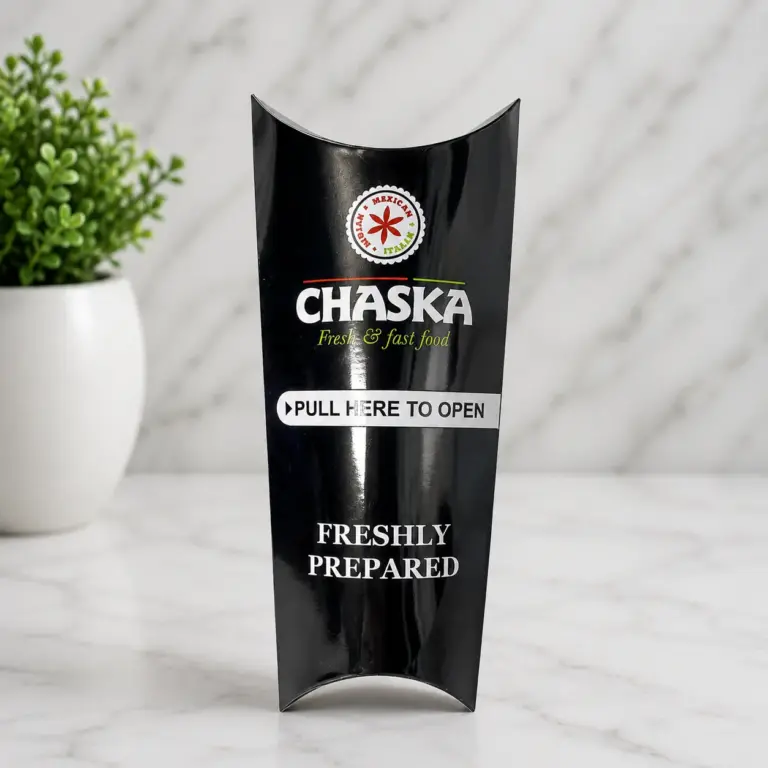
Healey Packaging produced custom pillow-style shawarma sleeves for CHASKA using 300gsm food-safe BSB card, full-colour CMYK...
View Case Study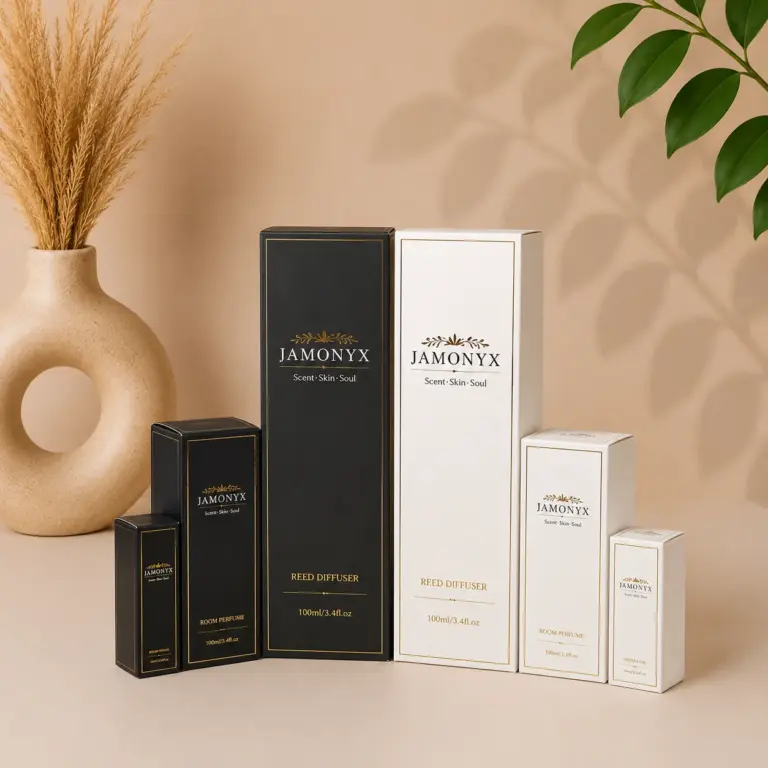
Healey Packaging produced 1,200 luxury reverse tuck boxes for JAMONYX across two black-and-white designs, three sizes,...
View Case Study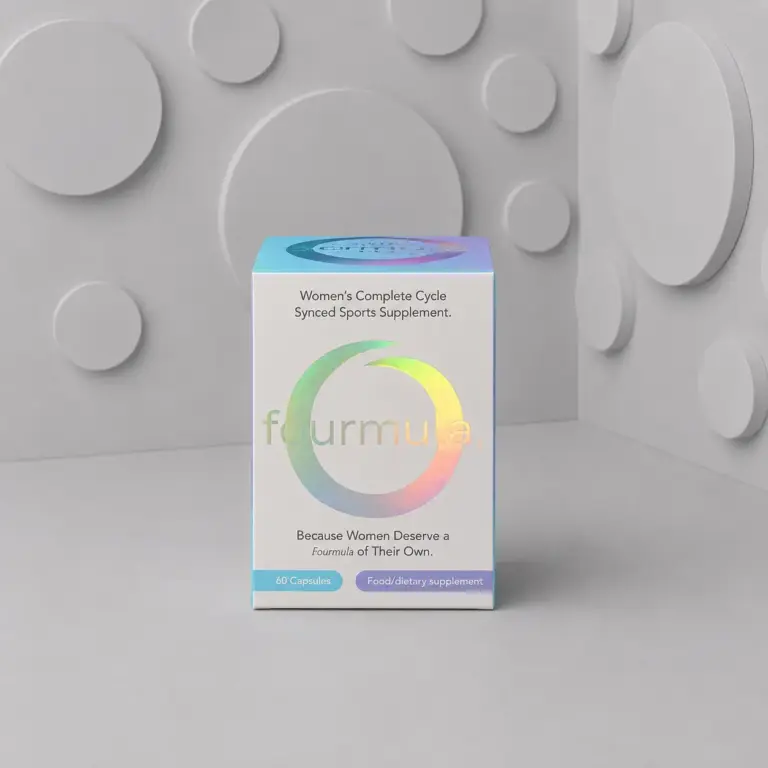
Fourmula started with 10 physical sample boxes for a compact supplement product, then moved toward a...
View Case StudyShare product size, quantity, use case and artwork status.
The right size, board and box style are reviewed.
A digital proof is prepared before production begins.
Boxes are printed, cut, folded and finished to specification.
Finished packaging is checked for structure and print quality.
Completed packaging is packed and delivered to your business.
We have been using Healey for years and are always impressed by the service, quality and speed.
Harry GeorgeThe packaging is of high quality, strong cardboard. I will definitely be using them again.
Amanda NewmanGreat communication, quick and good product. I really recommend.
JOON Plant Based AtelierThe required information depends on the type of CBD product being sold. Food supplements and edible CBD products can have different requirements from cosmetics or topical products. Packaging commonly needs sufficient space for product identity, quantity, ingredients or product information, business details, batch or traceability information and any warnings required for that specific product category. CBD food products in Great Britain are also subject to the novel food framework.
For CBD products sold as foods or food supplements in Great Britain, novel food rules are relevant. CBD food products require appropriate authorisation before being placed on the market, subject to the applicable transitional arrangements and regulatory status. Packaging should therefore be planned around the approved product specification and applicable labelling requirements.
Yes. Custom CBD packaging can be developed around dropper bottles, supplement containers, gummy tubs, skincare jars, tubes and multi-product sets. Dimensions, closure type and internal support should be based on the finished primary container rather than using one standard carton across every product.
Straight tuck end and reverse tuck end cartons are commonly suitable for lightweight CBD oil and tincture bottles. Heavier glass bottles may benefit from stronger board, internal support or a more robust base construction. The best structure depends on the bottle diameter, overall dropper height and filled weight.
Not every CBD product has the same tamper-evidence requirement. Whether it is needed depends on the product category, primary container and applicable regulations or retailer requirements. Where appropriate, options can include security labels, tear features or carton structures that provide visible evidence of first opening.
Claims printed on CBD packaging need careful review. In Great Britain, CBD foods and supplements cannot simply make unauthorised health claims, and claims that a product treats, prevents or cures disease can create serious compliance issues. CAP guidance states that there are currently no authorised CBD-specific health claims on the GB Nutrition and Health Claims Register.
Yes. CBD cosmetics and CBD foods can fall under different regulatory frameworks. Cosmetic products placed on the Great Britain market have their own notification, safety and labelling requirements, so a skincare carton should not simply reuse the information layout developed for a CBD supplement or edible product.
Yes. A shared structural format can be used across several SKUs while colour, product names, strengths or flavour identifiers change between variants. Planning the range as one packaging family helps keep branding consistent while making individual products easier to distinguish.
Common choices include folding boxboard for retail cartons, kraft board for natural or wellness-led ranges, corrugated board for ecommerce and distribution, and rigid board for premium gift sets. The final board grade should be selected according to product weight, box construction and sales route.
Yes. CBD packaging can use recyclable paper-based structures, responsibly sourced board such as FSC®-certified options, and paperboard inserts where appropriate. Right-sizing the carton and avoiding unnecessary mixed-material components can also reduce packaging complexity.
Yes, but it is important to distinguish between the primary food-contact packaging and the secondary printed carton. If the gummies are sealed inside a suitable tub or pouch, the outer carton performs a different function. Any packaging surface intended to contact food directly should be specified for that use.
Yes. Paperboard or corrugated inserts can help position bottles, jars and multiple products inside the outer box. They are particularly useful for glass tincture bottles, heavier skincare jars and CBD gift sets where product movement needs to be controlled.
Share your product, size, material and quantity requirements. Our team will help you choose the right structure, print and finish.
Tell us your product, target look, and how you ship. We'll recommend the right board, print, and finish for performance.
 Apparel Packaging
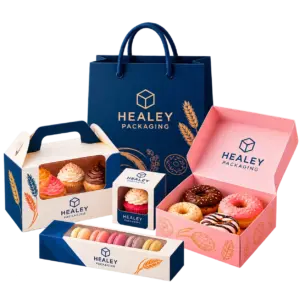 Bakery Packaging Boxes
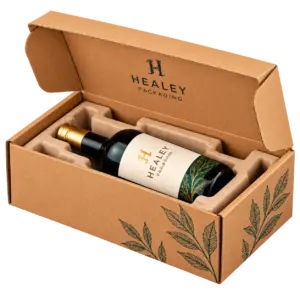 Bottle Packaging Boxes
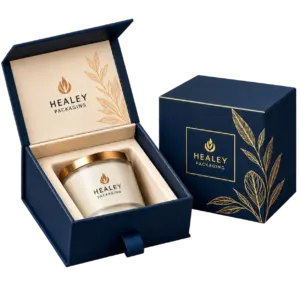 Candle Boxes
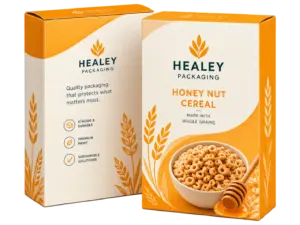 Cereal Packaging Boxes
 Christmas Boxes